
gravity pipes cost-effective
A gravity pipe is widely used in drainage, sewage, and water transport systems due to its reliance on natural gravitational forces rather than external energy sources. This characteristic makes it a highly cost-effective solution for many infrastructure projects. Unlike pressurized systems that require pumps and electricity, a gravity pipe operates passively, reducing both initial installation costs and long-term operational expenses. The cost-effectiveness of gravity pipes depends on several factors, including material choice, installation complexity, maintenance needs, and the overall lifespan of the system.
One of the biggest cost advantages of using a gravity pipe is the reduction in energy consumption. Since gravity does the work of moving fluids, there is no need for expensive pumping stations, electrical connections, or high-maintenance mechanical components. This makes gravity pipes particularly attractive for municipal sewage systems, stormwater drainage, and agricultural irrigation, where continuous fluid movement is required without ongoing operational costs. Over time, these savings accumulate, making gravity pipes a more budget-friendly alternative to pressurized systems.
Material selection plays a significant role in the affordability of a gravity pipe. Common materials such as PVC, HDPE, and concrete are durable and relatively inexpensive compared to metal pipes. PVC and HDPE, in particular, offer excellent corrosion resistance, reducing the need for costly protective coatings or frequent replacements. Concrete pipes, while heavier and requiring more labor for installation, provide long-term durability and minimal maintenance. By selecting the right material based on the project’s needs, engineers can maximize cost savings without compromising efficiency.
The simplicity of installation also contributes to the cost-effectiveness of gravity pipes. Since they do not require complex pressure fittings or pump systems, installation is generally straightforward, with fewer technical requirements. However, proper slope calculations and trenching are essential to ensure an effective flow. While excavation and grading may add to initial costs, they are often outweighed by the long-term savings associated with low maintenance and operation. Additionally, above-ground installations can further reduce costs in situations where burying pipes is impractical or expensive.
Are gravity pipes cost-effective?
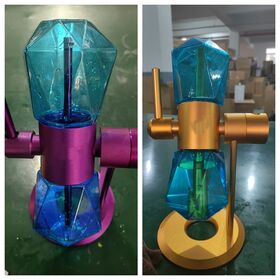
Interestingly, the economic benefits of gravity pipes can be compared to the affordability of a gravity bong. Just as a gravity bong provides an efficient smoking experience without requiring costly accessories or electrical components, a gravity pipe delivers an efficient fluid transport system without the added expense of mechanical pumping. Both systems rely on simple physics to function effectively, proving that well-designed gravity-based systems can be both practical and cost-saving.
Maintenance costs for a gravity pipe system are relatively low compared to pressurized systems. With no moving parts, the risk of mechanical failure is significantly reduced. Regular inspections and cleaning are necessary to prevent blockages and sediment buildup, but these maintenance tasks are far less expensive than repairing or replacing pump-driven systems. Additionally, gravity pipes tend to have long lifespans, further enhancing their cost-effectiveness over time.
Overall, gravity pipes offer a budget-friendly and sustainable solution for fluid transport in various applications. Their reliance on natural forces, minimal operational expenses, and durable material options make them an economically viable choice for long-term infrastructure planning. Much like a gravity bong provides a simple yet effective way to enjoy herbal compounds, a gravity pipe delivers an efficient, low-cost method for moving water and wastewater with minimal intervention.
