
eco-friendly options for medical products
Medical products are essential for saving lives, but they also have a significant impact on the environment. From single-use disposables to energy-intensive hospital operations, the healthcare industry contributes to environmental pollution, resource depletion and greenhouse gas emissions. Fortunately, the medical industry is taking steps to reduce its ecological footprint through sustainable practices.
One way is to switch from conventional plastic materials to eco-friendly options that can be used and then disposed of without creating e-waste. These biodegradable and compostable medical supplies include gloves, syringes, and packaging materials that break down more easily in the environment. Another way is to promote sustainability in the design and construction of hospitals, clinics, and other medical facilities by using renewable energy, installing low-flow faucets and toilets, capturing rainwater for irrigation, and utilizing recycled materials. Healthcare providers can also reduce their environmental impact by offering employees and patients alternative transportation options, such as public transit, carpooling, or biking, to avoid the generation of greenhouse gas emissions from vehicle traffic.
Manufacturers of medical products equipment can also increase the sustainability of their products by focusing on eco-friendly production methods and materials. Choosing nonwovens that are made from natural fibers, for example, can provide manufacturers with an affordable and cost-effective way to create disposable medical products that are both environmentally responsible and high-performing.
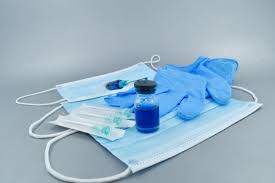
Are there eco-friendly options for medical products?
The drive towards sustainability is becoming a key concern for all industries, including medical manufacturing. However, the transition to greener medical products is a challenge that will require both industry leaders and suppliers to work together. For manufacturers, this means ensuring that their production planning software integrates with ERP, SCM, and MES systems to streamline the process of ordering green materials.
Suppliers need to be able to source eco-friendly materials that offer the same performance and quality as their traditional counterparts. For example, a company like WPT Nonwovens can offer medical suppliers a wide range of biodegradable and compostable nonwovens to produce disposable medical products that are both environmentally friendly and highly functional.
In addition to promoting sustainable medical products and services, healthcare organizations can also foster innovation in the development of new eco-friendly medical equipment by partnering with manufacturers that prioritize sustainability. Contract research organizations, for example, can work with device manufacturers to help develop and test prototypes of new devices that are both sustainable and cost-efficient.
Brick-and-mortar wholesale stores like Costco and Sam’s Club also stock a variety of school supplies. These stores provide the advantage of seeing products in person before purchasing, allowing buyers to assess the quality firsthand. Additionally, partnering with local suppliers can be advantageous for institutions that prioritize supporting the community and reducing their carbon footprint by minimizing shipping distances.
As more consumers, businesses and regulatory bodies demand sustainable solutions, the healthcare industry must shift its focus from treating sickness to preventing it. By embracing sustainable healthcare, medical facilities and manufacturers can improve their own health by reducing pollution, preserving resources and alleviating the waste caused by unneeded medications and discarded medical equipment. In the long run, this will benefit both the planet and the people who depend on its resources for their survival.
