
advantages of using pcb flex rigid
Printed circuit boards (PCBs) are the backbone of modern electronics, facilitating the interconnection of electronic components to create functional devices. Flex-rigid PCBs, a specialized type of PCB, offer a myriad of advantages that make them increasingly popular in various industries. Here are some key advantages of using flex-rigid PCBs:
One of the primary advantages of flex-rigid PCBs is their ability to accommodate complex designs in a compact form factor. By integrating both flexible and rigid sections into a single board, flex-rigid PCBs enable designers to optimize space utilization, reduce board size, and pack more functionality into smaller devices. This is particularly advantageous in applications where space is limited, such as in consumer electronics, automotive systems, and medical devices.
pcb flex rigid offer greater reliability compared to traditional rigid PCBs, particularly in applications that involve repeated bending, flexing, or vibration. The flexible sections of flex-rigid PCBs are designed to withstand mechanical stresses without compromising electrical integrity, ensuring long-term performance and durability in harsh operating environments. This makes flex-rigid PCBs well-suited for applications in aerospace, automotive, and industrial sectors where reliability is paramount.
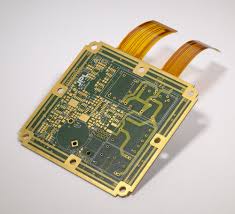
What are the advantages of using pcb flex rigid?
Flex-rigid PCBs provide better signal integrity compared to flexible PCBs or rigid PCBs alone. By minimizing signal loss, impedance mismatches, and electromagnetic interference (EMI), flex-rigid PCBs help maintain the quality and reliability of electrical signals transmitted between components. This is essential in high-speed digital applications, analog circuits, and radio frequency (RF) systems where signal integrity is critical for proper functioning.
Flex-rigid PCBs streamline the assembly process by reducing the need for complex interconnects, connectors, and cables. Since multiple rigid and flexible layers are integrated into a single board, assembly time and labor costs are significantly reduced compared to assembling separate rigid and flexible PCBs. This simplifies the manufacturing process, improves production efficiency, and lowers overall manufacturing costs.
Flex-rigid PCBs offer unparalleled design flexibility, allowing designers to create innovative and customized solutions for unique applications. The ability to incorporate both rigid and flexible sections into a single board enables designers to overcome design constraints, such as irregular shapes, tight spaces, and 3D geometries. This versatility opens up new possibilities for product design and innovation across various industries.
While the initial manufacturing cost of flex-rigid PCBs may be higher than that of traditional rigid PCBs, the overall cost savings over the product lifecycle can be significant. By reducing the need for additional components, connectors, and assembly steps, flex-rigid PCBs help lower total production costs and improve the overall cost-effectiveness of electronic devices.
Flex-rigid PCBs offer environmental benefits compared to traditional PCBs, particularly in terms of material usage and waste reduction. By eliminating the need for separate rigid and flexible PCBs, flex-rigid PCBs help minimize material waste, energy consumption, and environmental impact associated with manufacturing and disposal. This aligns with the growing emphasis on sustainability and eco-friendly practices in the electronics industry.
In conclusion, flex-rigid PCBs offer a multitude of advantages that make them an attractive choice for a wide range of applications. From space-saving design and enhanced reliability to improved signal integrity and environmental benefits, flex-rigid PCBs provide a versatile and cost-effective solution for addressing the evolving needs of modern electronics. As technology continues to advance, flex-rigid PCBs will continue to play a crucial role in enabling innovation and driving progress across industries.


